Winter Eye Protection Guide: How To Choose High-Performance Eyewear for Your Cold-Weather Runs and Rides
Why Do You Need Sunglasses During Winter Training?
Winter sunglasses aren’t just about blocking brightness — they enhance contrast, cut harsh glare, and shield against biting wind and dry air. With the right lenses and frames, you’ll see more clearly, stay more comfortable, and protect your eyes through every mile of winter training. Learn more below, then browse Rudy Project's full line of sport sunglasses to find the best model for your sport and lifestyle.
Weak Light Needs More Contrast
The extended dawn or dusk of deep winter, with the sun low on the horizon for much of the day, may appear safe, but it usually means you stare directly into the sun, absorbing its harmful UV rays more than you would in high summer. But that weak light also means more shadows on the road, trail, or path, which is where the heightened contrast from sunglasses with a light tint helps. The improved clarity allows you to pick up objects in your field of vision faster, more accurately, and with less eye strain — especially when you choose winter cycling sunglasses or winter running sunglasses with contrast-boosting tints.
Mirrored Lenses for Harsh Glare
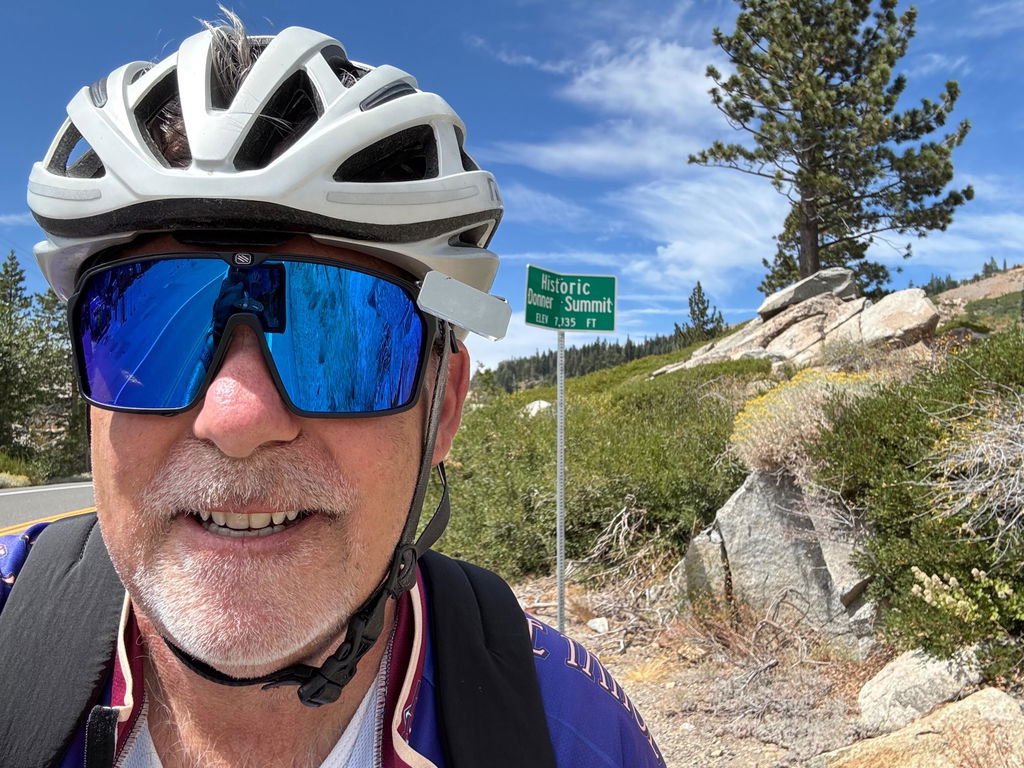
The same benefits of mirrored ski goggles also apply to sunglasses in winter. A mirrored lens repels the harsh glare that would deflect off snow and ice and straight into your corneas. Full coverage Rudy Project sunglasses, such as the Kelion or Spinshield Pro, with mirrored lenses, work almost like ski goggles for endurance sports. They surround your vision with mirrored protection, and with integrated vents, their lenses stay fog-free during high-energy training sessions.
Full Coverage Against Dry Winter Wind
Cold, dry air whipping over your eyes during a sprint triggers tearing, blurred vision, and discomfort. Blurry vision can be annoying — it can also be dangerous. That’s why sunglasses with extensive facial coverage, like Rudy Project’s Astral X, are so critical to your performance and protection. Wraparound lenses block wind yet vent enough body heat to remain fog-free. If you’re a road rider, choose winter cycling sunglasses with side-glare control. Running outside in the cold? Look for winter running sunglasses that balance face coverage and a stable, bounce-free fit.
Photochromic Sport Sunglasses for Changing Winter Light
Once you settle on the right sunglass for your sport, selecting the ImpactX® photochromic lens is a smart way to make sure they’re the perfect pair regardless of the lighting you face. Available in purple (best for snow and water-based activities), red (best for desert and forest terrain), or black (best for seeing true colors), the ImpactX lens changes based on the amount of UV rays hitting the lens. In no-to-low light conditions, they’re nearly clear. In strong light or harsh glare conditions, they turn dark within seconds. That adaptability supports both UV protection in winter and low-light contrast when clouds roll in.
Even athletes with prescription eyewear can take advantage of ImpactX photochromic lenses. Simply work with your local Rudy Project dealer/optometrist to find the right frame and lens fit for your sport and prescription needs.
If you want more control of your lens tint, the interchangeable lenses found on Rudy Project’s iconic Rydon frames let you tailor your eyewear to each activity. Night running? Install a clear lens for protection from cold air. Nordic skiing? Insert a mirrored lens to shield against snow glare. Dawn trail run? Opt for a red, lightly tinted lens to boost contrast and clarify the terrain ahead.
Winter training demands more from your eyes and your gear. The right Rudy Project sunglasses deliver clarity, comfort, and protection so you can focus on your performance, not the cold-weather conditions.