Top 5 Reasons To Replace Your Bike Helmet
Here’s a reality check: While bike helmets are designed to take a lot of punishment while protecting your head, they’re relatively fragile compared to your bicycle. While your bike may be okay after a crash, your helmet isn’t. If it took a hit, replace your bike helmet. But even if you haven’t tested your lid’s impact rating, there are several other reasons that an upgrade could be in order.
How Long Do Bike Helmets Last?
Cycling helmets don’t come with an expiration date. Lifespan depends on a variety of factors, including how often you ride, the conditions in which you train, how you store your helmet, and whether it has ever been subjected to an impact. Below are the top five reasons to replace your bike helmet. (If you’re looking for specific time frames, you’ll find helpful guidance on timelines in Reason #3 below.)
5 Reasons You Need a New Cycling Helmet
#1 - You Crashed
Today’s helmets are incredibly lightweight, comfortable, and remarkably specialized — some provide an aerodynamic edge in time trials while others offer full-coverage mountain-biking protection. They also deliver superlight protection, thanks to EPS foam that absorbs the energy from an impact. In a crash, the foam compresses and remains compressed, rendering the helmet unsafe for future use.
It may seem obvious that you need to replace your cycling helmet after a crash, but it’s not only high-speed impact that can compress the foam. Even hitting your head on a tree branch while riding or taking a tumble over your handlebars can damage your helmet. If your helmet absorbs any impact, it’s done its job and needs to be replaced.
#2 - Your Helmet’s Seen Better Days
Dents, cracked plastic, deep scratches, fraying or torn straps, cracked buckles, and other damage can make your helmet unsafe. Some of these conditions are the result of damage. Others just happen over time. But all of them matter. Helmet components work together for protection, and if any are compromised, the whole thing becomes unsound. That’s why regular inspection is critical. If you find any defects, getting a new helmet is the safest move.
Youth vs. Adult Helmet Replacement
Kids are notoriously hard on gear. For youth helmets, inspect more frequently and replace the bike helmet after any impact, visible damage, or when the child outgrows it. For adult helmets, follow the same crash and damage rules, and plan regular replacements based on ride frequency and the age-related guidelines listed below.
#3 - Your Helmet Is Old
Here at Rudy Project, we recommend replacing bike helmets every three years if you ride several times a week, or every five years if you’re a casual rider. UV rays and the accumulated dings and dents (see #2 above) will shorten the lifespan of a bike helmet. Additionally, EPS foam degrades over time, gradually hardening and losing its ability to absorb as much force as it did when new. To play it safe, consider replacing your helmet every two years. This takes the guessing game out of the equation and ensures your bike helmet is as protective as possible.
#4 - You Need a Safety Upgrade
Upgrading now improves comfort and fit, and it also ensures you can start your next season with a helmet designed for modern impact scenarios. Rudy Project’s helmets account for rotational impacts because most crashes don’t happen head-on. This engineering allows the helmet to redirect forces away from the impact area, no matter where you hit your head.
Rudy Project’s EPS In-Mold exo-frame adds a layer of structural support to the helmet’s foundational EPS foam. The result is a structurally stronger frame that better protects you from impacts on the side of the head by distributing those impact forces throughout the helmet.
#5 - Your Old Helmet Doesn’t Meet Your New Cycling Needs
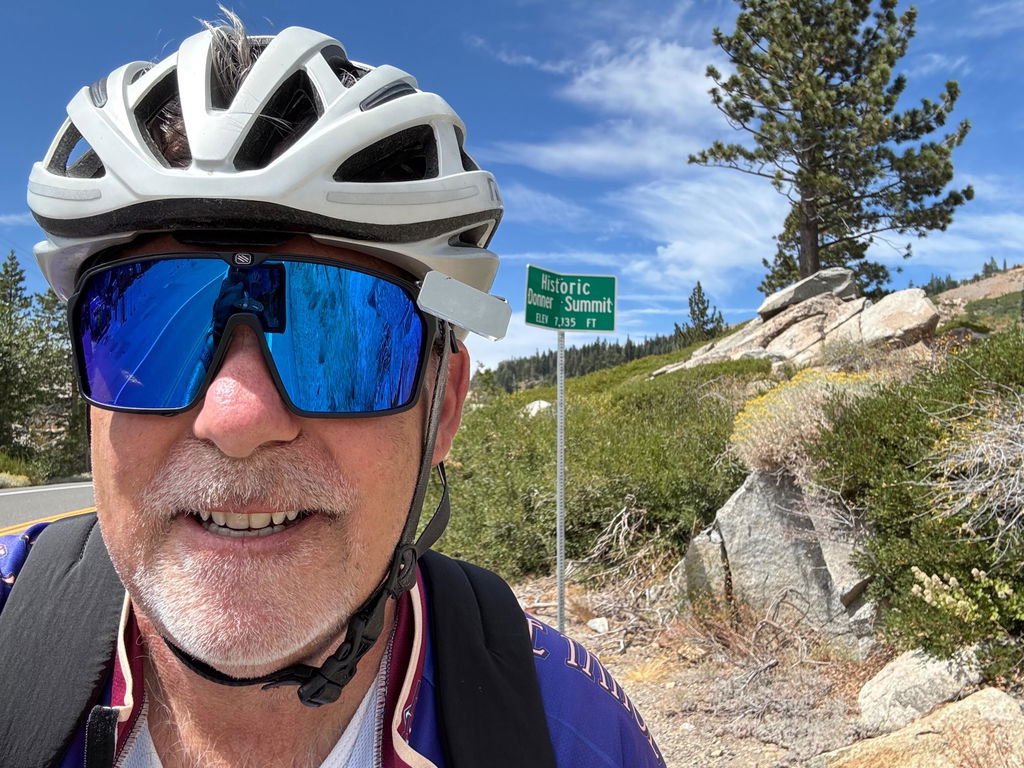
If you’ve become serious enough about triathlons or time-trials to buy a tri-bike, you also want a helmet that will boost, not hinder, your performance. Rudy Project aero helmets, such as the Nytron, Wing, and Wingdream, offer free speed, potentially shaving minutes off your time.
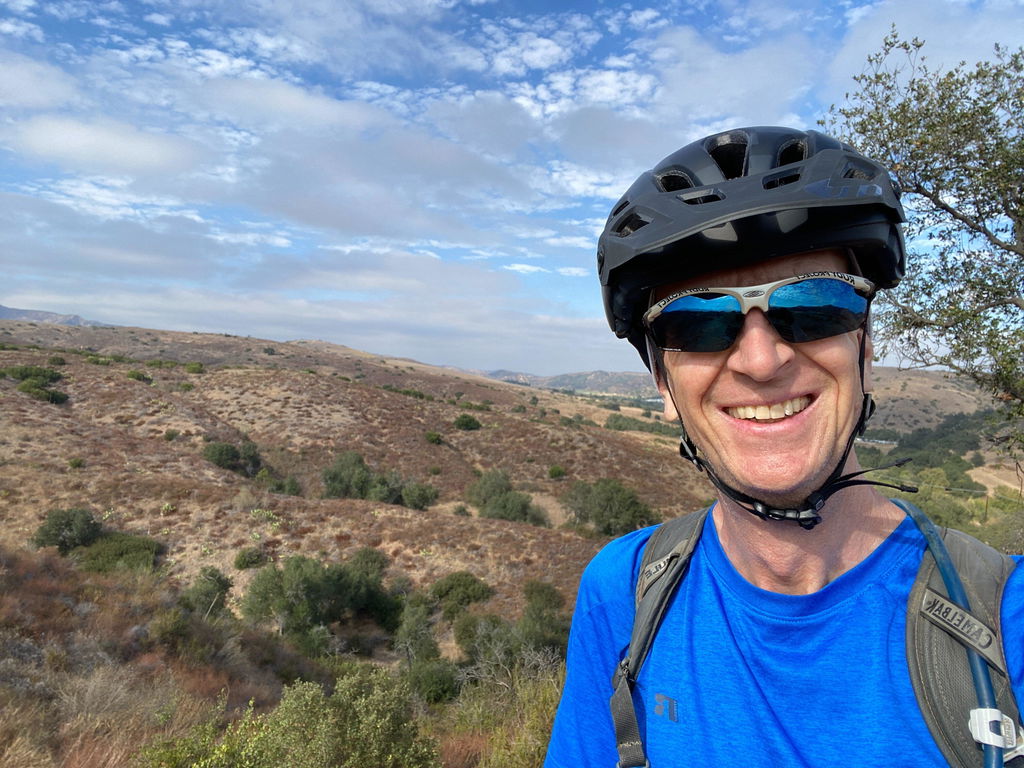
The same goes for mountain biking helmets, such as Rudy Project’s Protera+. This helmet features a protective visor that cuts glare and keeps your eyes from getting whacked by branches and bushes. It also provides more coverage across the back of the helmet to protect against backward falls onto boulders, branches, or rocks.
Final Check: Is It Time To Replace Your Cycling Helmet?
Give your current helmet a quick once-over. If it’s getting old, showing signs of wear (cracked shell, frayed straps, sun-baked foam), or your riding style has evolved, a fresh helmet can improve comfort and protection. When you’re ready, Rudy Project’s full line of bike helmets makes it easy to find the advanced protection that will keep you safe on the miles ahead.
Explore Rudy Project bike helmets. →